
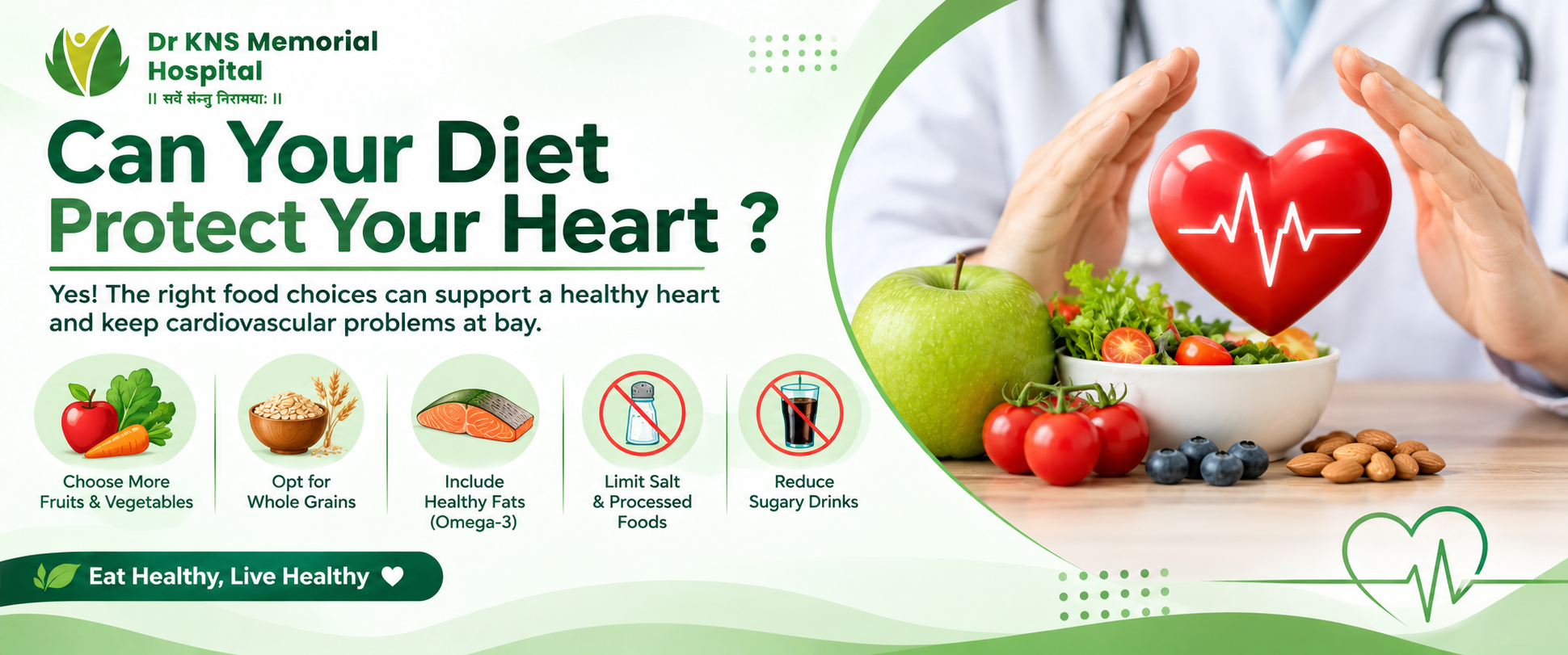
yes, your plate can protect your heart. Not like a shield, though. No single roti, nut or bowl of dal will keep a heart attack away. What protects you is what you eat most days, for years. A heart healthy Diet helps keep blood pressure, cholesterol, sugar and weight in a safer range, and those four sit behind a big share of heart trouble. This blog keeps things practical: what to eat, what to cut down, and what to ask your doctor.
Why Is It Important to Eat Healthy When It Comes to Your Heart?
Your heart beats about 100,000 times a day. It never takes a holiday, and food either makes that job easier or harder. Too much salt can push blood pressure up. Too much fried and packed food can raise bad cholesterol. Too much sugar leads to weight gain and diabetes, and both are hard on the heart. The World Health Organization counts an unhealthy diet among the main risks for heart disease. The good news is that the same lever works in reverse. Small changes, done daily, add up to a healthy heart, even if you start late.
What Is Good for Heart Health? Start With These FourThings
Before we talk about food, a quick note. Food is one part of the picture, and these four work as a team:
- Eat more plants and fewer packed foods
- Keep salt and sugar low
- Move your body on most days, even a 30 minute walk counts
- Stay away from tobacco and get enough sleep
Food still does the most daily work, because you eat three or more times a day. That is why the rest of this blog is about the plate.
What Is the Best Heart Food? Honestly, It Is Not One Food
People love asking for a single winner. Walnuts? Oats? Garlic? The truth is that no magic ingredient exists. Research keeps pointing to the overall pattern: lots of vegetables, fruits, whole grains, beans and nuts, with less processed food.
So if you ask for the best food for heart health, the honest answer is a varied plate you can enjoy for decades. A diet you quit in two weeks protects nobody, however perfect it looks on paper.
Good Food for Heart Health: Easy Picks From YourOwn Kitchen
You do not need anything imported. Most of this list is probably in your kitchen already.
- Vegetables and fruits: aim for at least 400 g a day, about five handfuls. Palak, methi, lauki, tomato, guava, papaya, oranges.
- Whole grains: whole wheat atta, brown rice, oats, and millets like ragi, jowar and bajra. The fibre helps bring cholesterol down.
- Dals and beans: rajma, chole, moong, masoor. Good protein with very little bad fat.
- Nuts and seeds: a small handful of almonds or walnuts, a spoon of flaxseed.
- Fish, if you eat it: oily types like sardine or mackerel a couple of times a week.
- Curd or low fat milk, and only a little cooking oil.
Each of these is a food good for heart health, but nobody needs all of them on the same day
Bad Food for Heart: What to Cut Down
Notice we said cut down, not never eat again. A samosa at a wedding will not hurt you. A samosa every evening might.
Too Much Salt
WHO suggests less than 5 g of salt a day, about one level teaspoon, counting everything. A lot hides in pickles, papad, namkeen, instant noodles, chips and bread. Taste your food before adding more.
Too Much Sugar
Free sugars should stay under 10 percent of your daily energy, roughly 50 g or 12 teaspoons on a 2,000 calorie diet. Sweet drinks, mithai, packaged juice and biscuits add up faster than you think.
The Wrong Fats
Trans fats are the worst. They hide in some bakery items, deep fried street snacks and partially hydrogenated oils. Heavy use of ghee, butter, cream and processed meat like sausages should also stay small.
A Heart Healthy Diet Plate, Day by Day
Here is one simple day, just to give you an idea of what a heart healthy diet looks like. Copy it,or change it to suit your taste.
- Morning: vegetable poha, or besan chilla with curd, or oats with fruit and a few nuts
- Lunch: two whole wheat rotis, a bowl of dal, a big plate of sabzi and some salad
- Evening: a cup of tea with roasted makhana, or a fruit
- Dinner: lighter, like vegetable khichdi, or grilled fish or paneer with sauteed vegetables
What Is Good to Eat Between Meals?
Hunger at 5 pm is where most heart plans fall apart. Keep a few things ready: roasted chana, makhana, a fruit, sprouts chaat, unsalted nuts, curd, or cucumber and carrot sticks. If it is in your bag, you will not reach for the biscuits.
Food for Heart Patient: What Changes?
If you already have heart disease, high blood pressure or take heart medicines, the rules get stricter. A healthy heart diet in that case should be planned with your cardiologist or dietitian. A few common points:
- Salt: your doctor may ask for even less than the usual limit, so read labels on packets
- Heart failure: some patients must limit water and other fluids, and only your doctor can say how much
- Blood thinners: if you take warfarin, keep your leafy greens steady instead of suddenly eating a lot, since they affect how the medicine works
- Diabetes along with heart problems: watch sugar and refined carbs closely
- Never stop or cut a medicine because you changed your diet
Diet for Heart Health: Small Swaps That Stick
Banning everything rarely works. Swapping does.
- Fried samosa or pakora, swap for roasted chana or baked snacks
- Maida biscuits, swap for whole wheat ones or a handful of nuts
- Cold drink, swap for plain water or nimbu pani with less sugar
- Packet chips, swap for makhana
- Extra salt at the table, swap for lemon, jeera, pepper and herbs
Pick one swap this week. Add another next week. That is how a diet for heart health turns into a habit.
Talk to a Heart Specialist Before Making Big Changes
Diet is a strong helper, but it does not replace treatment. If you have chest pain, breathlessness, dizziness, or heart disease in your family, get checked instead of only changing your food. Sudden chest pain needs the emergency department, not a diet plan.
The cardiology team at Drknsm Hospital can look at your reports, understand your risk and guide you on a way of eating that suits your body and your routine, so you can build a healthy heart for the long run. Call the hospital to book a consultation.
FAQ
Yes, to a large extent. What you eat most days affects blood pressure, cholesterol, sugar and weight, which are the main drivers of heart trouble. Diet is not a shield, though. It works best along with exercise, good sleep, no tobacco and regular check-ups.
Your heart works non-stop, and food either eases that work or adds to it. That is why it is important to eat healthy. Too much salt raises blood pressure, and too much fried food and sugar leads to bad cholesterol, weight gain and diabetes. Healthy eating lowers these risks over time.
A heart healthy diet is built around vegetables, fruits, whole grains, dals, nuts and low-fat dairy. It keeps salt, sugar and unhealthy fats low. It is a pattern you follow most days, not a short crash plan.
No single food wins. If you ask what is the best heart food, the honest answer is a mix, such as vegetables, fruits, whole grains, beans, nuts and a little fish if you eat it. A varied plate you can stick to for years works better than one "superfood".
What is good for heart health goes beyond the plate. Walk or move about 30 minutes on most days, stay away from tobacco, sleep well and manage stress. Food does the most daily work, but these habits support it.
The best food for heart health is often already at home. Think palak, methi, lauki, whole wheat atta, oats, ragi, jowar, dal, rajma, chole, a handful of almonds or walnuts, and curd. Aim for at least 400 g of fruits and vegetables a day.
Bad food for the heart includes too much salt, sugar and unhealthy fats. These hide in pickles, papad, namkeen, instant noodles, sweet drinks, bakery items and deep fried snacks. WHO suggests less than 5 g of salt a day, about one teaspoon, and sugar under 10 percent of daily energy.
Food for heart patients is stricter than the usual advice. Your doctor may cut your salt limit further, limit fluids if you have heart failure, and ask you to keep leafy greens steady if you take warfarin. Never stop or reduce medicines because you changed your diet.
What is good to eat between meals? Roasted chana, makhana, a fruit, sprouts chaat, unsalted nuts, curd, or cucumber and carrot sticks are good picks. Keep them in your bag so you do not reach for biscuits.
Yes. A diet for heart health does not need a big overhaul. Swap fried snacks for roasted chana, maida biscuits for whole wheat ones, and cold drinks for plain water. Cut extra salt at the table. Add one swap each week, and talk to a heart specialist if you have chest pain or heart disease in your family.