
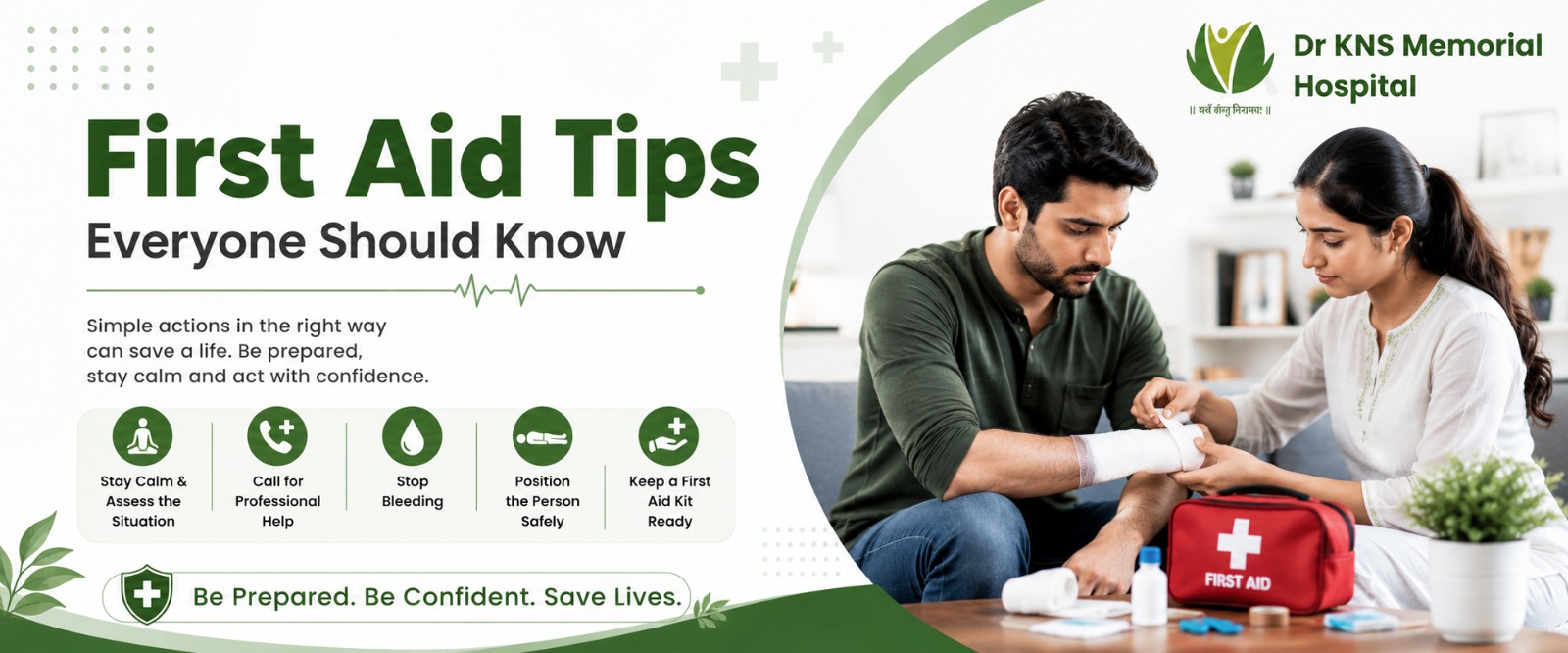
What is First Aid? Define First Aid and Why It Matters
First aid is the immediate care that is provided to an injured person or a person who suddenly becomes ill before proper medical help can be provided. So the simplest definition of first aid is the "first response" which are quick, practical, actions that can stabilize a person's condition or reduce their pain and can sometimes save their life until a doctor or ambulance arrives. First aid information is not something that an expert in medicine has to offer. It only requires the ability to remain calm, to learn a few basic facts and to take action rather than being paralysed by fear in times of crisis. It is important to know the relationship between first aid and health as many of the common accidents that happen every day can become serious if the initial few minutes are not managed correctly, such as a cut in the kitchen, falling in the house, a burn when cooking. That's why hospitals are still pushing people to learn first aid techniques. A proactive response during those crucial moments can have the greatest impact on the patient's recovery.
Why Everyone Should Know Basic First Aid
Often accidents give no warning. Basic first aid knowledge allows you to be there to help, rather than standing around helplessly waiting for assistance, both at home, at work or on the road. Doctors and nurses aren't the only ones who can benefit from knowing some first aid treatments. Parents can protect their children – strangers can help in a crisis. These skills are not difficult to learn but are crucial for any person, particularly when needed.
Essential First Aid Tips Everyone Should Know
These are some of the first aid tips that will help you to be prepared to handle common emergencies with confidence. If the cut or wound is small, rinse it off with running water, bandage the wound and apply pressure to prevent blood flow. In case of burning, run under cool water for a few minutes, loosen with a clean cloth and do not apply to skin with ice. The first aid measure most likely to alleviate swelling and pain if an ankle or wrist is sprained is to apply the RICE method (rest, ice, compression and elevation).
When someone faints, put them on the ground and lift their legs up a little to increase blood flow to the brain. If the person is choking, have them cough, and, if this doesn't help, give a series of vigorous back blows between the shoulders. If a first aid treatment seems serious or doesn't get better, medical help should be called for after the treatment. If an incident does happen, you'll have an easy way to respond if you have a simple first aid kit at home and in your car with some bandages, antiseptic and gauze.
Common Situations Where First Aid Can Save a Life
There are situations that require more than basic care, and require quick thinking and first aid skills. When someone is choking on food, someone has an extreme allergic reaction, a heart attack, or a road accident and there is a lot of bleeding, seconds count. Simple life saving skills such as CPR, applying firm pressure to stop severe bleeding, or placing an unconscious but breathing person in the "recovery" position can save lives until paramedics arrive. These skills should be confidently used by all adults.
Golden Rules of First Aid
All successful responses adhere to a few rules of first aid which are applicable to any emergency. The first step is to stay calm – if panicked, one might make mistakes and might make the injured person even more frightened. Second is to look for danger first before rushing in - traffic, fire or electricity - so as not to be a second victim. Take time to determine if the individual is conscious and breathing before taking action, and seek help early, before it gets better.
One of the most important rules of first aid is 'do not move' - the wrong action by a first aider could result in further injury, for example a broken bone or a spinal injury. Talk to the person with a soothing tone of voice; fear may accelerate the person's heart rate, thus exacerbating shock. Wear barriers and gloves when handling body fluids and blood. Last but not least, DO NOT give a person food, water or medicine if the person is not conscious. These golden rules are the basis of good and effective first aid and if consistently followed, a bad situation can be avoided from getting worse.
The 7 Steps of First Aid Explained
The 7 steps of first aid are easy to remember and can help you when an emergency arises. Before going to the scene, determine if there is any safety for the area. Second, tap and speak softly to the person to see how they respond. Third, If they are unresponsive or seriously injured, request emergency medical services. Fourth, check their airway and make sure that it is clear. Fifth, check their breathing and pulse to determine whether it's truly a crisis or not. Sixth: Firmly and directly apply a clean cloth to any heavy bleeding to stop the bleeding. Seventh, stay comfortable and keep a close watch on the individual and watch for any changes in consciousness or breathing – help will come. You can do the seven steps one at a time, or do them one after another, or do them at the same time see how you can keep organized when it appears everything is going on at once.
Basic First Aid Techniques for Common Emergencies
Each emergency will call for a different first aid response and it is important to know how to respond to each emergency to ensure that it does not make matters worse. When nosebleeds occur, have the person sit up (not back) and press on the soft part of the nose for about 10 minutes. Immobilize the injured limb and gently support it with a splint or cloth until you get medical help if you think there is a fracture.
If stung or bitten apply cold compress to minimize swelling; remove stinger (if present) with soap and water If a small seizure occurs, ensure it does not hit their head, get them away from hard surfaces and do not restrain the person. When a heatstroke occurs, transport the person to a cooler location, remove tight-fitting clothing and slowly cool using water or wet cloths. This can manifest itself very quickly and it is essential to be vigilant to ensure appropriate first aid may be given if it is needed. If symptoms worsen or the person goes unconscious it is a medical emergency and immediate medical help is required.
When Should You Call Emergency Medical Services (EMS)?
Some cases will need an ambulance and some won't. Seek assistance immediately if there is an unconscious person, someone not breathing normally, someone bleeding profusely or if someone has a heart attack or stroke. EMS saving lives is not a marketing ploy – trained paramedics can begin critical treatment on the way to hospital. If you're not certain, it's better to get professional assistance rather than waiting and hoping it will get better.
Why Learning First Aid and Basic Health Skills is Important
First aid and basic health knowledge is useful when you have an emergency and it makes you feel more confident in all situations; with family, friends and even strangers. A small knowledge of first aid and health will help you to notice any potential dangers early, keep calm and not panic in case something goes wrong. The life saving techniques also help to foster a sense of responsibility in communities, workplaces and schools, where a single trained individual can make a difference. Don't wait until later in life to invest the time to become familiar with these skills, it may save the lives of the ones you love.
Why Learning First Aid Skills Is Essential for Everyone
First aid is an important life skill and not just a job requirement for doctors and paramedics. Possession of the right information in the brain about first aid can make a fearful situation more manageable and often the difference between recovery and a potential serious complication. From minor cuts to emergency situations, knowing the basics of first aid can mean the difference in doing something versus doing nothing and empower you to do something. If you know it, your laid-back attitude could save a life one day.
FAQ
First aid: Care given or given first, immediately after an injury or illness, until medical help can be obtained. It's important because immediate and correct early action can help reduce pain, prevent complications and even save lives in extreme cases.
First aid is the initial care given to someone after a sudden illness or injury, that is, until medical assistance is available, such as cleaning a wound or stopping bleeding and comforting someone.
The golden rules of First Aid are: Continue to be calm, check for danger before trying to help, get medical assistance as quickly as possible, prevent unnecessary movement of the injured person, comfort the injured and do not feed or water an unconscious person.
The 7 steps of First Aid: Check the scene for safety, check the person's response, call for emergency assistance, check the airway, check breathing and pulse, control bleeding and keep the person warm until help arrives.
First-aid skills involve cleaning and bandaging wounds, running a child with a burn under a stream of water, applying pressure to a wound to stop the bleeding, supporting a fractured bone without moving the child and putting an unconscious child who is breathing into the recovery position.
Remember to keep the individual calm and safe, apply pressure to bleeding, stabilize broken or injured parts, check breathing and consciousness. Do not move them unless it is necessary and summon emergency services if it seems serious.
Accidents can occur at home, at work or on the way. First aid skills are being able to act, but not acting panic, and not getting things out of hand until they get help.
Being prepared and familiar with the signs and symptoms of an emergency (choking, heart attack, heavy bleeding, etc.) and the actions to take, will improve the opportunities that the person has for survival until help arrives.
If unconscious, unable to breathe, bleeding heavily, heart attack/stroke, call EMS immediately! Call for help, if in doubt, don't wait and see.
Yes. When emergencies strike, particularly in the critical few minutes before help arrives, there is a difference between life and death in knowing what to do to save a life, such as how to do CPR, or how to control bleeding, or how to help a choking victim.