
Introduction
Many Indian parents are overwhelmed when handed a complicated medical card. Parents have to focus on deciphering a muddle of clinical terms plus deal with constant mobile phone alerts and multiple clinic visits. Instead of looking at the information on the medical card as a stiff medical document, think of this as a simple guide. Our vaccine chart for baby in India makes the often-daunting vaccination schedule simple. It tells you what you need to know and when you need to know it. Say goodbye to daily conundrums and hello to everyday protection for your little one.
Why Parents Need a Vaccine Roadmap, Not Just a Schedule
Medical professionals administer immunizations at very specific ages for a reason. A baby's natural immunity decreases shortly after birth, so getting them vaccinated at the right time ensures that their body learns to fight off certain diseases before they have to face them. Sticking to a vaccination schedule for babies in India is necessary because falling behind puts your child at risk for preventable illnesses. However, having an exact list of all the vaccinations can be difficult to follow. A roadmap will make it easier for you to keep up with your child's health needs by simplifying an entire list of vaccines into easily accessible chunks. It will help you prepare for the upcoming shots that your child needs and understand exactly what they are for.
The Birth-to-16 Childhood Vaccine Timeline
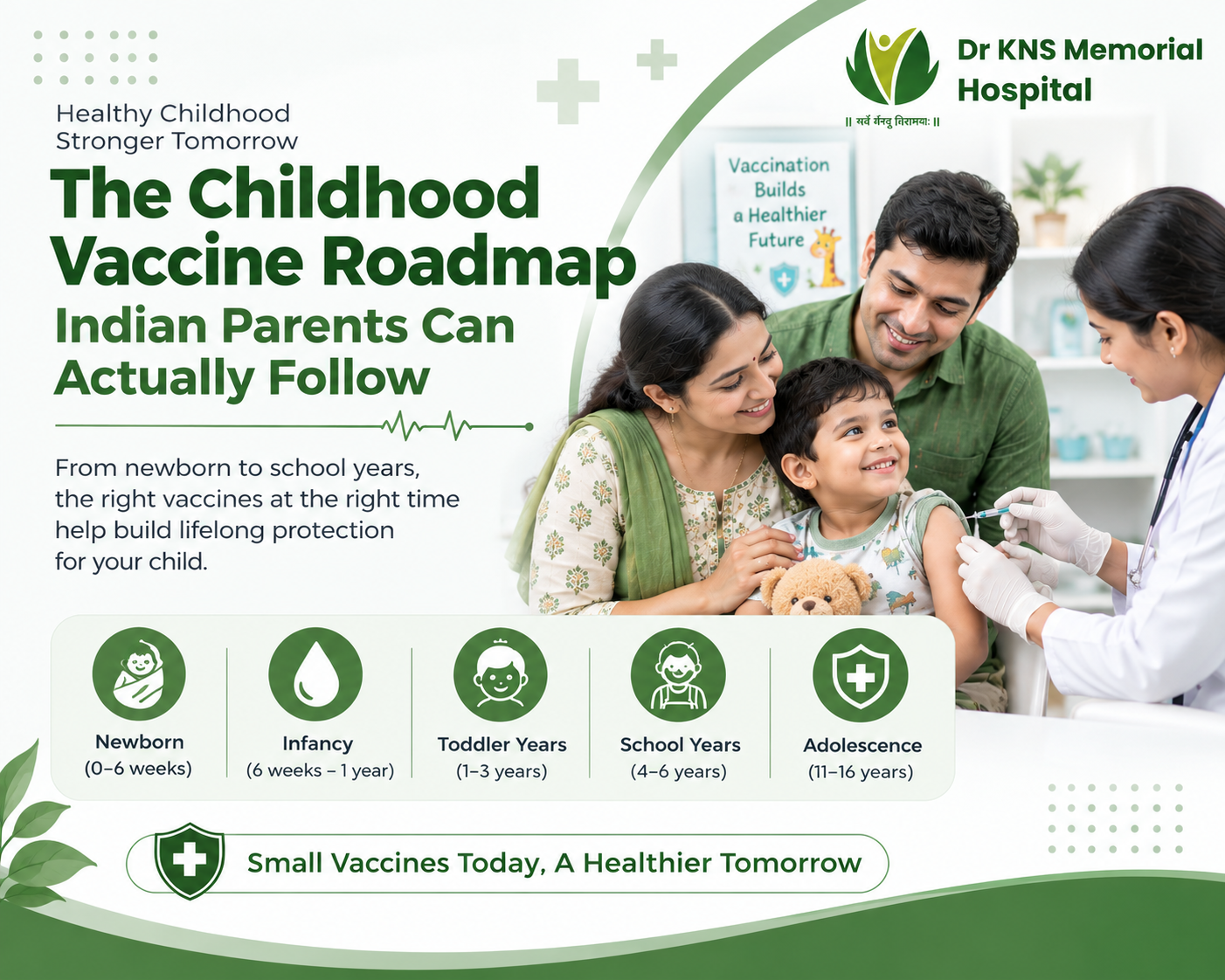
Keeping track of dates need not be a headache anymore! The following section presents a very simplified, age-wise roadmap, according to the approved immunization schedule in India. This is a comprehensive list of all shots and drops to be administered from the delivery room till their growing up into a teenager. It will help you plan your pediatric visits precisely.
Birth (Day 1)
Protection begins immediately after delivery. Before you even leave the hospital, your newborn will receive the BCG injection to protect against tuberculosis. They also receive their very first Hepatitis B dose and the zero dose of the oral polio vaccine schedule to establish crucial early immunity.
6, 10 & 14 Weeks
These first few months will be filled with a lot of clinic visits. At 6, 10, and 14 weeks your baby is scheduled to receive the Pentavalent shot, which is 1 shot that covers 5 different diseases (including diphtheria and tetanus). At the same time, the doctor will give your baby the oral polio drops and Rotavirus liquid for diarrhea protection, the Inactivated Polio Vaccine and Pneumococcal Conjugate Vaccine if needed. A new born baby vaccine chart will keep you on track with these consecutive appointments so you never miss a dose.
9–12 Months
As your baby nears their first birthday, the emphasis changes to differentiating protective measures. The most significant milestone at this point is the first dose of the Measles and Rubella combination. The doctors will also give the first dose of Vitamin A syrup during the first birthday. Additionally, if you live in an endemic district, your baby vaccination chart will include the Japanese Encephalitis shot during this period.
16–24 Months
The toddler stage requires strengthening the immunity built during the first year. Your child needs their second Measles and Rubella shot. This period also includes the critical DPT booster and an oral polio booster. Families residing in specific endemic zones will also need to complete the second Japanese Encephalitis dose. This phase of the vaccine schedule for baby India ensures long-lasting protection.
5–6 Years
Before your child starts formal schooling, they need another layer of defense. The second DPT booster is given between five and six years of age. This protects them safely as they begin interacting with larger groups of children daily.
10 & 16 Years
The final steps of the childhood roadmap happen during the preteen and teenage years. At ten years and again at sixteen years, your growing child will receive the Tetanus and adult diphtheria booster to maintain their overall immunity into adulthood.
Government (UIP) vs Additional Recommended Vaccines
Many parents get confused between different types of recommendations. The Universal Immunization Programme provides a robust list of protective shots absolutely free of cost at government health centers. This child vaccination chart of the government of India contains all the life-threatening diseases. However, private pediatrician doctors may suggest some additional vaccines against Typhoid, Chickenpox, or Influenza. Note that additional does not mean unnecessary, but rather those immunizations are optional, as they are not included in the government’s pediatric vaccination schedule. Those additional inoculations provide broader protection against many other diseases that cause uncomfortable colds and result in children’s absences from day-care or school. Discuss with your doctor the question of those extra vaccines. In addition, do not be concerned about the difference between private doctors’ advice and the baby vaccination chart government hospitals use. After all, everyone strives for the children’s health and safety.
What If Your Child Misses a Vaccine?
Life circumstances can sometimes work against our best-laid plans. Between sickness, vacations, and unexpected family crises, it can be hard to keep up with our scheduled clinical visits. When that happens, the most important thing is not to panic. You should not try to reestablish the entire immunization series from the beginning.
The healthcare provider has a catch-up schedule for such situations, and your child's immune system is likely to respond positively to the dosages that will be restored during the missed vaccination. The thing to do is to call the pediatrician and ask to reschedule your upcoming appointments according to the catch-up vaccination schedule. It is essential never to attempt to determine the catch-up schedule yourself and dose your child more intensely than necessary.
What to Expect After Vaccination
It is only natural for parents to worry and get anxious about post-injection side effects. Their children most often have only mild reactions to vaccination that show their immunity is working properly. A slight feverish state or redness and swelling around the injection site are a usual sign of vaccination. Some kids may seem fussy, and their sleep and eating patterns may change for the first couple of days after the procedure. In this case, one may use a clean cold cloth to soothe the area of the body where the injection was given. The doctor also may prescribe paracetamol drops for minor pain. Knowing what side effects my child may have after vaccination will help me track the situation and not be scared of common reasons for concern. It is vital to keep in mind that any mild side effects are only a small price to pay for protection from severe diseases.
A Parent-Friendly Vaccine Tracking System
To manage these records, all you need is a system that's easy to adopt. Keep this booklet offered by the hospital in a folder in a safe space within your home. Set reminders on your phone about your appointment dates in a week's time from the due date so you remember to show up for the appointment. Remember to click a picture of the baby vaccination chart every time you get a shot at the clinics. Keep this regularly updated record with you wherever you go, especially if you plan to travel or shift to another city.
When to Call Your Pediatrician
Besides mild symptoms, some of the following symptoms can be life-threatening and should be reported to the doctor immediately. In case your baby develops a high fever which cannot be controlled with simple medications, then you should see your doctor immediately. Unusual difficulty in breathing, serious allergic reactions such as widespread rashes or swelling away from the injection site should also be taken into consideration.
Conclusion
The journey to safeguarding your infant's health is a long one. The vaccination chart for babies is a useful tool in your long haul recovery road map that will help ensure smooth sailing for your young one as they hit each milestone so you can ensure you're giving them the best start in life.
FAQ
It is a scientifically designed timeline indicating exactly when a child should receive specific immunizations from birth up to 16 years of age to protect against preventable diseases.
The following are the immunizations that all children receive: BCG for tuberculosis, the first dose of Hepatitis B, and the zero dose of the oral polio vaccine before discharge.
For these weeks, children will receive the following vaccines: Pentavalent Vaccine, oral polio drops, Rotavirus vaccine, Inactivated Polio Vaccine, and Pneumococcal Conjugate Vaccine.
If you miss a dose, do not worry; doctors have a specific catch up protocol to ensure that the baby is given the required dose of the vaccine safely without interfering with their body's immunity.
You do not need to restart the vaccination schedule afresh as your pediatrician will advise you on catch up doses and help your child get vaccinated with the required ones.
Yes, all the vaccines mentioned under the Government of India's Universal Immunization Programme are available absolutely free of cost at government hospitals.
The vaccines included in the UIP are government mandated and hence totally free of cost at government hospitals. They target life threatening diseases and your private pediatrician might suggest other vaccines as well for wider immunity.
Yes, it is normal to have a mild fever as a symptom and it indicates that the vaccine is making your child's system respond well.
Kids who are aged 10 and 16 years are given the Tetanus and adult diphtheria (Td) booster dose so their immunity to the diseases continue to last through the adult years.
Always carry the digital copy of the card and the hard copy of the card, and ensure that you update the digital copy when you visit the clinic.